

We earn a commission if you buy through links on this site, at no extra cost to you. Our scores are not paid for, and we include products we don't recommend.
Short programs promise a clear start and finish, which makes them easy to commit to. The question is what happens on day 22. A short plan can be a useful kick-start, as long as you know what it can and cannot do.
Why short programs appeal
A fixed end date lowers the mental barrier. Committing to three weeks feels far easier than committing to a new way of eating forever.
Short plans also remove decisions. When the meals, shopping lists and schedule are already set, you spend less energy on choices, and that can make it easier to stay on track.
The truth about the 21-day habit idea
You may have heard that it takes 21 days to form a habit. That number is not well supported. Research on habit formation suggests it varies widely from person to person and habit to habit, and often takes much longer than three weeks.
So a 21-day program is unlikely to lock in a habit by itself. What it can do is give you practice. You learn new recipes, try new routines and see how your body responds to eating differently.
What a short plan can do well
The Smoothie Diet replaces two meals a day with planned smoothies for 21 days and includes shopping lists and a prep guide. Its strength is simplicity. Its weak points are that fruit-heavy smoothies can be high in sugar, and some weight may return once the plan ends. People with diabetes should check with their doctor before starting.
14 Day Rapid Soup Diet is a 14-day plan built around vegetable- and protein-based soups. Soups are high in water and fiber, so they fill you up for relatively few calories. We would treat the big weight-loss claims on its sales page with caution, and you will need to enjoy soup to get through two weeks of it.
- Break a pattern, such as daily takeaway lunches or late-night snacking
- Teach you a few simple, filling meals you can repeat later
- Show you what reasonable portions look like
- Build early confidence and momentum
Where short programs fall short
Some of the weight lost in the first week or two of any diet is water, not fat. That is normal, but it can make early results look bigger than they are.
The bigger risk is the rebound. If you return to your old eating habits on day 22, your weight will usually drift back. The plan was not the problem; the lack of a next step was.
Very restrictive short plans can also leave you hungry and low on energy. If a program makes you feel unwell, dizzy or obsessed with food, stop and rethink. Anyone with a history of disordered eating should talk to a doctor before starting any structured challenge.
Who short programs suit best
Short plans tend to work best for people who need a clear starting point and like being told exactly what to eat. They also suit people who want to test a new habit, such as a lighter breakfast or a soup-based lunch, before committing to it.
They suit people less well if they dislike repetition, cook for a family with different needs, or are hoping for a permanent fix. For those people, a flexible long-term plan is usually a better first step.
How to make the results last
Think of a short program as the first chapter, not the whole book. Before you start, decide what you will do afterward.
A simple approach is to keep one part of the plan permanently. For example, keep a smoothie for breakfast, or keep a soup for lunch a few days a week. Then build the rest of your meals around balanced whole foods.
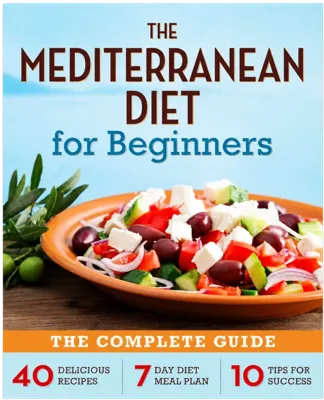
A longer-term pattern such as The Mediterranean Diet works well as a follow-on, because it is flexible and does not ban whole food groups.
- Plan your post-challenge meals before day one
- Keep one or two meals from the program
- Add protein and vegetables to everything else
- Check progress monthly rather than daily
Key takeaways
- ✓Short programs are good for starting, not finishing.
- ✓The 21-day habit rule is a myth; habits often take longer.
- ✓Some early loss on any diet is water weight.
- ✓Have a plan for day 22 before you begin.
Frequently asked questions
Will I keep the weight off after a 21-day plan?
Only if you keep some of the new habits. Going straight back to old eating patterns usually brings the weight back.
Can I repeat a short program?
Some people do, but a balanced long-term eating pattern is usually a better next step than repeating a short plan over and over.
Health note. This guide is general information, not medical advice. Speak with your doctor before changing your diet, fasting, or starting a supplement, especially if you take medication or are pregnant.