


We earn a commission if you buy through links on this site, at no extra cost to you. Our scores are not paid for, and we include products we don't recommend.
Smoothies have a healthy image, but what goes into the blender decides whether they help or hurt your weight loss. A well-built smoothie can replace a meal and keep you full for hours. A badly built one can carry as much sugar as a can of soda.
Can smoothies help you lose weight?
Yes, if they replace something higher in calories and keep you full. Many people use a smoothie for breakfast or lunch because it is quick and easy to make consistent. Swapping a pastry or a fast-food meal for a balanced smoothie can lower your daily calories without much effort.
Smoothies also make it easy to eat more vegetables and fruit. Many adults fall short of the recommended amounts, and a handful of spinach disappears into a fruit smoothie with almost no change in taste. That said, a smoothie is only as good as its recipe, and portion size still counts. A large shop-bought smoothie can contain more calories than a full meal, so it is worth checking labels or making your own.
The catch is that drinks are often less filling than solid food. Research on liquid calories suggests people do not always eat less later to make up for them. That is why the ingredients matter so much.
What to put in
Think of a smoothie as a meal, not a treat. It needs protein, fiber and some healthy fat to keep hunger steady.
- Protein: Greek yogurt, skyr, silken tofu, milk or a scoop of protein powder.
- Vegetables: spinach, kale, cucumber, cauliflower rice or courgette, which add bulk with few calories.
- Whole fruit: one portion, such as a banana or a handful of berries. Frozen fruit works well.
- Fiber boosters: oats, chia seeds or ground flaxseed.
- A little fat: a teaspoon or two of nut butter, or a quarter of an avocado.
What to leave out
The biggest problems are added sugars and calorie-dense extras that are easy to over-pour.
- Fruit juice as the base. Use water, milk or unsweetened plant milk instead.
- Store-bought smoothie mixes or bottled smoothies, unless you have checked the sugar and calories on the label.
- Honey, syrups and sweetened yogurts.
- Large scoops of nut butter or handfuls of nuts, which add calories quickly.
- Ice cream, frozen yogurt or chocolate spreads.
- Three or four portions of fruit in one drink. That much fruit adds up fast.
Smoothie plans: a useful kick-start
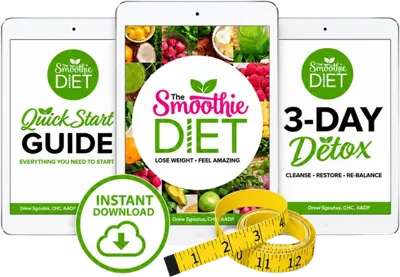
Some people do best with a ready-made plan rather than inventing recipes. The Smoothie Diet is a 21-day program that replaces two meals a day with planned smoothies and keeps one regular meal. It includes shopping lists and a prep guide, which removes a lot of guesswork for beginners.
A structured plan like this works best as a starting point. Some recipes lean on fruit, so add protein where you can. After the 21 days, it helps to move toward balanced meals and keep one smoothie a day as a habit, rather than stopping suddenly and going back to old patterns.
Smoothies are not the same as drinks for hydration
It is worth separating meals from drinks. A smoothie is food, and you should count it as a meal. If what you really want is something flavored to sip during the day instead of soda, a sugar-free option is the better choice.
Plain water is the simplest answer. Some people prefer flavored electrolyte drinks such as ElectroSlim, which is sugar-free and marketed for appetite support. It can be a pleasant replacement for sugary drinks, but its weight-loss effects are modest, so treat it as a hydration habit rather than a meal or a fat burner.
Who should take extra care
If you have diabetes or prediabetes, fruit-heavy smoothies can raise blood sugar quickly. Check with your doctor or dietitian, keep fruit to one portion and always include protein and fiber. If you have kidney problems, ask before using high-potassium ingredients or electrolyte products.
Key takeaways
- ✓A smoothie should be treated as a meal, not a drink on the side.
- ✓Protein, vegetables and fiber make smoothies more filling.
- ✓Skip juice bases, syrups and multiple portions of fruit.
- ✓Smoothie plans are a good kick-start but need a plan for afterwards.
Frequently asked questions
Is it better to drink a smoothie or eat the fruit whole?
Whole fruit is usually more filling. Blending keeps the fiber, but drinking is faster than chewing, so some people feel full sooner with whole fruit.
Can I have a smoothie every day?
Yes, as long as it is balanced and replaces a meal rather than being added on top of your usual food.
Health note. This guide is general information, not medical advice. Speak with your doctor before changing your diet, fasting, or starting a supplement, especially if you take medication or are pregnant.