
We earn a commission if you buy through links on this site, at no extra cost to you. Our scores are not paid for, and we include products we don't recommend.
Soup diets sound old-fashioned, but the idea behind them is backed by solid nutrition research. Foods that are high in water and fiber let you eat a satisfying amount for fewer calories. The question is whether a soup-based plan is something you can enjoy and build on.
What volume eating means
Volume eating is about choosing foods with a low energy density, meaning few calories for their weight. Vegetables, broth-based soups, fruit, lean protein and legumes all fit this description. Oils, pastries, crisps and chocolate sit at the other end.
Our sense of fullness is partly driven by how much food is in the stomach and how long a meal takes to eat. Research on energy density has found that people tend to eat a fairly consistent weight of food. When that food is less calorie-dense, they often eat fewer calories without feeling hungrier.
Why soup is especially filling
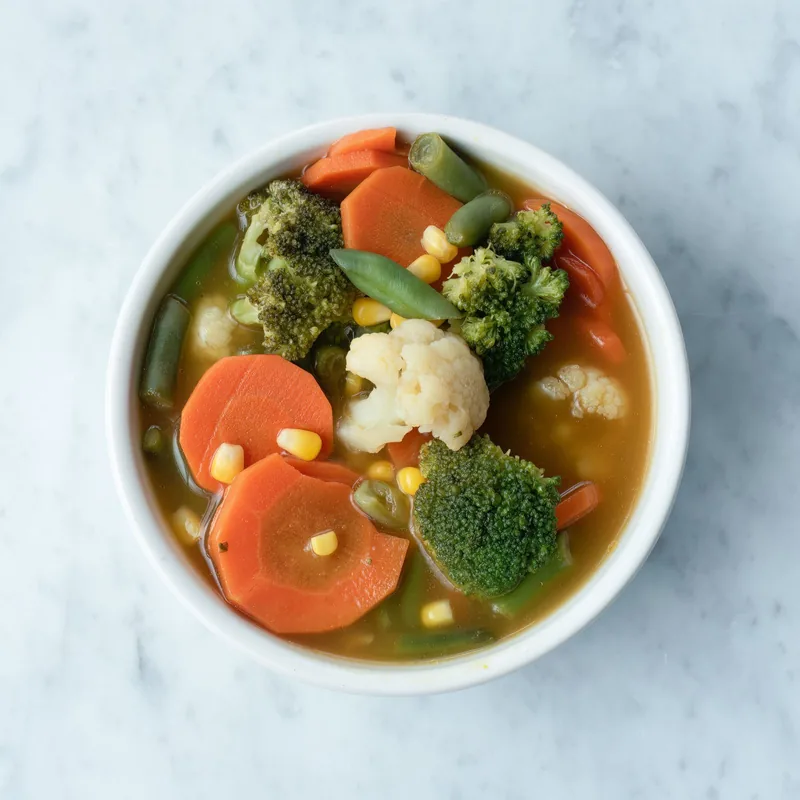
Soup combines water and solid food in a single dish, which seems to keep it in the stomach longer than drinking water alongside a meal. Studies have found that starting a meal with a bowl of broth-based vegetable soup can lead people to eat less in the meal that follows.
Soup also slows you down. It is hot, eaten with a spoon and usually takes longer to finish than a sandwich. That extra time gives your body's fullness signals a chance to catch up.
There is nothing unique about soup itself. The same principle applies to salads, stews, vegetable-heavy stir-fries and large portions of steamed vegetables. Soup is simply one of the easiest and cheapest ways to put volume eating into practice, especially in colder months when warm food is more appealing. It also reheats well, which makes it practical for packed lunches.
How soup diets are structured
Most soup diets replace several meals a day with soups for a set period. 14 Day Rapid Soup Diet is a 14-day plan built around vegetable- and protein-based soups, with recipes and shopping guidance. The structure is simple, and soups are easy to batch-cook for the week.
Be cautious with the headline claims on sales pages. A two-week plan can give a good reset, and early loss often includes some water. Lasting fat loss depends on what you do after the plan ends.
How to build a filling, balanced soup
A good weight-loss soup is more than vegetables and water. Without protein it may not keep you full for long.
- Start with plenty of vegetables: onion, carrot, celery, tomatoes, leafy greens, squash.
- Add protein: chicken, turkey, white fish, lentils, beans or tofu.
- Use a broth base rather than cream, and a small amount of oil for flavor.
- Add herbs, spices, garlic and lemon instead of extra salt.
- Include some whole grains or potatoes if you need more energy, especially if you exercise.
Where soup diets fall short
The biggest problem is boredom. Eating similar meals for two weeks can be hard, and some people rebound into heavy eating when the plan ends. Short plans also do not teach you how to handle restaurants, family meals or busy days.
Salt is the other issue. Store-bought stock and canned soups can be very high in sodium. If you have high blood pressure, use low-sodium stock and season with herbs instead. If you have kidney disease or another condition that affects your diet, check with your doctor first.
Soup or smoothies?
Both rely on the same principle: high-volume, lower-calorie meals that are easy to repeat. Soups suit people who prefer warm, savory food and like cooking in batches. Smoothies suit people who want something cold and quick in the morning.
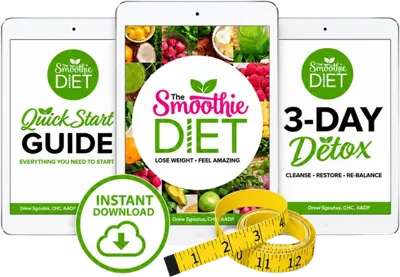
If you prefer the blender to the stockpot, The Smoothie Diet follows a similar idea over 21 days. Some people combine the two: a smoothie for breakfast, soup for lunch and a balanced dinner. Whichever you choose, the long-term goal is to keep the volume-eating habit after any structured plan ends. A simple rule is to fill half your plate or bowl with vegetables at most meals.
Key takeaways
- ✓Low energy density foods let you eat more food for fewer calories.
- ✓Broth-based soups are among the most filling options per calorie.
- ✓Add protein so soup keeps you full for longer.
- ✓Watch sodium in stock and plan what you will eat after the diet ends.
Frequently asked questions
Are creamy soups okay?
They can be, but cream, cheese and lots of butter raise the calories quickly. Blending vegetables or adding a little yogurt gives a creamy texture for less.
Can I freeze soup for the week?
Yes. Most broth-based soups freeze well for a few months. Freeze them in single portions for easy lunches.
Health note. This guide is general information, not medical advice. Speak with your doctor before changing your diet, fasting, or starting a supplement, especially if you take medication or are pregnant.