

We earn a commission if you buy through links on this site, at no extra cost to you. Our scores are not paid for, and we include products we don't recommend.
Protein gets most of the attention in weight-loss conversations. Fiber deserves just as much. It helps you feel full, supports digestion and is found in exactly the foods most of us should eat more of.
What fiber is
Fiber is the part of plant foods your body cannot fully digest. Instead of being absorbed like sugar or fat, it moves through your gut and does useful work along the way.
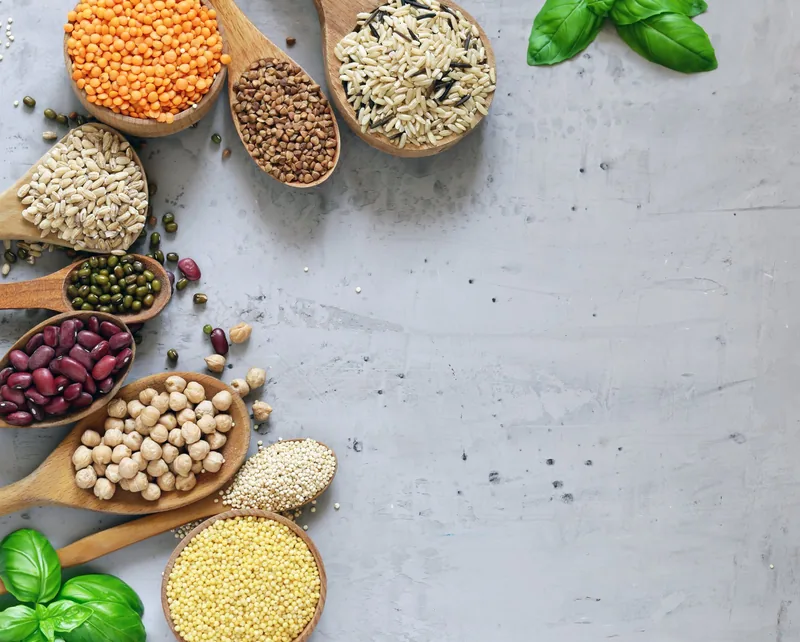
There are two main types. Soluble fiber, found in oats, beans, lentils, apples and barley, forms a gel in the gut. Insoluble fiber, found in whole grains, nuts and vegetable skins, adds bulk and helps things move along. Most whole plant foods contain both.
Why fiber helps with weight
Fiber-rich foods tend to be bulky and take longer to chew and digest. That means they fill you up for fewer calories than refined foods.
Soluble fiber slows how quickly food leaves your stomach, which can help with fullness and a steadier rise in blood sugar after meals. Research also suggests fiber feeds helpful gut bacteria, an area that is still being studied.
Observational studies have linked higher fiber intake with lower body weight and better heart health. The effect is gradual, but it works quietly in the background of every meal.
How much do you need?
Many health guidelines suggest around 25 to 30 grams a day for adults. Surveys in many countries show most people eat well below that.
Increase slowly. Adding a lot of fiber at once can cause gas and bloating. Raise your intake over a couple of weeks and drink more water as you go.
Easy ways to eat more fiber
Soups are one of the simplest fiber vehicles. A pot of vegetable and bean soup can carry a lot of fiber in a warm, filling bowl. 14 Day Rapid Soup Diet builds a two-week plan around this idea, which can be handy if you like batch cooking.
For a long-term pattern, the Mediterranean diet is naturally high in fiber from vegetables, legumes and whole grains. The Mediterranean Diet offers a personalized version if you want structure.
- Swap white bread and rice for wholegrain versions
- Add beans or lentils to soups, salads and sauces
- Eat whole fruit instead of juice
- Start the day with oats or a high-fiber cereal
- Keep the skin on potatoes, apples and pears
- Snack on nuts, seeds or raw vegetables
What about fiber supplements and gut cleanses?
Plain fiber supplements such as psyllium can help some people reach their target, though food sources bring extra vitamins and minerals too.
Be careful not to confuse fiber with laxative cleanses. BellyFlush lists soothing herbs like marshmallow root and slippery elm, but it also contains cascara sagrada, a stimulant laxative. That can help with occasional bloating or irregularity, but it is not meant for long daily use, and a flush is not the same as fat loss. If you have a bowel condition, are pregnant or take other medicines, talk to your doctor first.
A sample high-fiber day
None of this is unusual food. That is the point. Fiber is less about special products and more about choosing whole plant foods more often.
A day like this can easily reach 30 grams of fiber without any supplements. If your current diet is low in fiber, build up to it over a week or two rather than switching overnight. Your gut needs time to adjust, and a slower change is far more comfortable.
Pair fiber with protein at each meal for the best effect on fullness. Beans, lentils and chickpeas are especially useful because they provide both in one food.
- Breakfast: oats with berries and a spoon of seeds
- Lunch: lentil and vegetable soup with wholegrain bread
- Snack: an apple and a handful of almonds
- Dinner: salmon, roasted vegetables and brown rice or quinoa
Key takeaways
- ✓Fiber helps you feel full for fewer calories.
- ✓Most adults eat less than the 25 to 30 grams often recommended.
- ✓Increase fiber slowly and drink more water.
- ✓Laxative cleanses are not a substitute for dietary fiber.
Frequently asked questions
Can too much fiber be a problem?
Adding a lot very quickly can cause gas, bloating and discomfort. Increase gradually. People with some digestive conditions may need specific advice from their doctor.
Is juice a good source of fiber?
No. Juicing removes most of the fiber. Whole fruit is a much better choice.
Health note. This guide is general information, not medical advice. Speak with your doctor before changing your diet, fasting, or starting a supplement, especially if you take medication or are pregnant.