

We earn a commission if you buy through links on this site, at no extra cost to you. Our scores are not paid for, and we include products we don't recommend.
Intermittent fasting is less about what you eat and more about when. For beginners, the two most common styles are the daily 16:8 window and one or two 24-hour fasts a week. Both can help you eat less, but they feel very different in practice.
What intermittent fasting actually does
Fasting works mainly by shrinking the time you have to eat, which for most people means eating fewer calories overall. There is no magic fat-burning switch. Studies comparing fasting with ordinary calorie cutting have generally found similar weight loss when total calories are matched.
The real advantage is practical. Some people find it easier to follow a clear rule about timing than to count every calorie or weigh every portion. If that sounds like you, fasting may be a good fit.
How 16:8 works
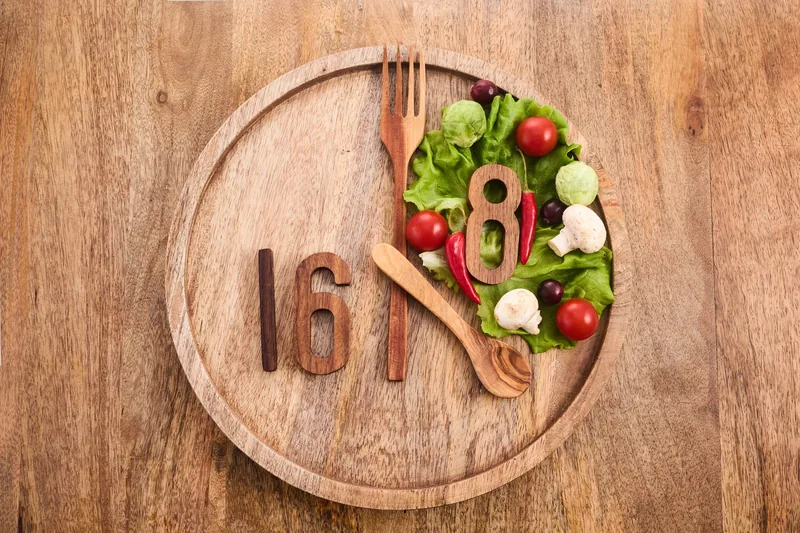
With 16:8, you fast for 16 hours and eat within an 8-hour window each day. A common pattern is eating between noon and 8pm, which mostly means skipping breakfast and late-night snacks.
Because much of the fast happens while you sleep, 16:8 is often the easier starting point. Many beginners begin with 12 or 14 hours and build up over a couple of weeks.
Consistency matters more than perfection. Keeping roughly the same window on most days helps your appetite settle into a rhythm, and many people find morning hunger fades after the first week or two. If a social dinner runs late, simply start the next day's window a little later rather than giving up on the routine. Black coffee or tea in the morning can make the last few hours of the fast easier, and drinking water steadily through the day helps too.
- Pros: a daily routine, gentle hunger, easy to fit around work.
- Cons: it can be easy to overeat in the window, and evening social plans can clash with it.
- Good for: people who are rarely hungry in the morning anyway.
How 24-hour fasts work
The 24-hour method means going from, say, dinner one day to dinner the next without eating, once or twice a week. On the other days you eat normally and sensibly. This is the approach taught in Eat Stop Eat, which also covers handling hunger and combining fasting with weight training.
Two full-day fasts remove a meaningful number of calories from the week without any daily tracking. The first few attempts can be hard, but many people find hunger comes in waves and passes rather than building up all day.
- Pros: very few rules, normal eating most days, no daily window to manage.
- Cons: the fast days can be tough at first and may affect energy or mood.
- Good for: people who dislike daily restrictions and prefer one clear method.
Which style should a beginner try first?
Hunger during a fast is normal, and it is usually milder than people expect. It tends to rise around your usual mealtimes and then ease again. Staying busy, drinking water or a hot drink, and going for a short walk all help a wave of hunger pass. It also helps to break the fast with a normal, balanced meal rather than a very large one, which can leave you feeling sluggish. Most people find that fasting gets noticeably easier after the first few attempts.
If you have never fasted, 16:8 is usually the gentler introduction. It teaches you that mild hunger is normal and manageable. Once you are comfortable, you can try a single 24-hour fast to see how it feels.
If daily windows feel like too much structure, the 24-hour approach may suit you better. Pick a busy workday for your first fast, as distraction helps, and avoid scheduling hard training on that day until you know how your body responds.
What to eat when you are not fasting
Fasting does not cancel out a poor diet. If your eating periods are full of ultra-processed snacks, the calorie savings can disappear quickly. Meals built around protein, vegetables, legumes and whole grains keep you fuller and make the next fast easier.
A Mediterranean-style pattern pairs well with fasting for this reason. A plan such as The Mediterranean Diet can give your eating days structure while the fasting handles the timing. Drink plenty of water during fasts; water, black coffee and plain tea are generally allowed.
Who should be careful
Fasting is not right for everyone. Talk to your doctor first if you have diabetes or take medication that lowers blood sugar, have low blood pressure, or take medicines that must be taken with food. Pregnant or breastfeeding women should not fast for weight loss. If you have ever had an eating disorder, structured fasting can be risky, so speak to a professional before trying it.
Key takeaways
- ✓Fasting mainly helps by reducing how much you eat overall.
- ✓16:8 is the gentler starting point for most beginners.
- ✓Weekly 24-hour fasts suit people who dislike daily rules.
- ✓Food quality on eating days still decides much of your progress.
Frequently asked questions
Will fasting make me lose muscle?
Short fasts are unlikely to cause meaningful muscle loss if you eat enough protein on your eating days and do some resistance training.
Can I drink coffee while fasting?
Black coffee and plain tea are generally fine. Adding milk, sugar or cream adds calories and technically breaks the fast.
Health note. This guide is general information, not medical advice. Speak with your doctor before changing your diet, fasting, or starting a supplement, especially if you take medication or are pregnant.